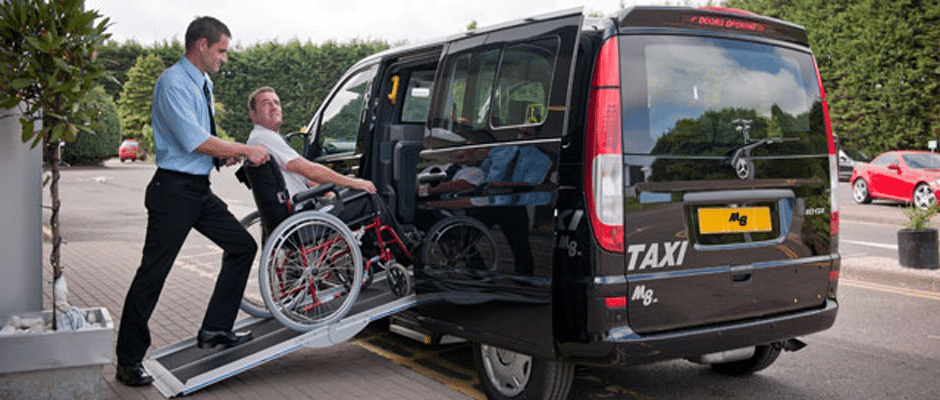
Accessibility has become an essential aspect of modern transportation, ensuring that all individuals, regardless of physical ability, can move freely and independently. Among the many services designed to support this inclusivity, wheelchair friendly disabled taxi services stand out as a critical solution for people with mobility challenges. These services are designed to provide safe, reliable, and convenient transportation for individuals who rely on wheelchairs, mobility scooters, or other assistive devices, making everyday travel more manageable and dignified.
A wheelchair friendly disabled taxi is specifically designed or modified to accommodate passengers who use wheelchairs. This includes features such as ramps or lifts for easy entry and exit, secure locking systems to keep wheelchairs safely in place during travel, and spacious interiors to allow comfortable movement 傷殘的士. By providing these adaptations, these taxis remove barriers that often prevent people with disabilities from accessing traditional transportation, enabling them to participate fully in work, social activities, healthcare appointments, and recreational outings.
The demand for wheelchair friendly disabled taxi services has grown significantly in recent years. Many cities and regions have recognized the importance of inclusive transportation options, not only as a matter of social responsibility but also as a legal and ethical obligation under accessibility legislation. For individuals with disabilities, having access to reliable and specialized transport improves quality of life, increases independence, and allows them to navigate urban environments with confidence.
One of the most important features of wheelchair friendly disabled taxis is safety. Vehicles are equipped with secure locking mechanisms, non-slip flooring, and stable ramps to ensure passengers are transported without risk of injury. Professional drivers receive training on assisting passengers safely, including helping them board and exit the vehicle, securing wheelchairs, and understanding the specific needs of each passenger. This focus on safety reassures users and their families that travel can be both comfortable and secure.
Accessibility is another critical factor. Wheelchair friendly disabled taxis ensure that individuals with mobility challenges can travel without relying on others or encountering obstacles. Unlike traditional taxis, which may be difficult or impossible for wheelchair users to enter, these vehicles are designed to be intuitive and straightforward to use. This autonomy fosters independence, empowering passengers to take control of their transportation needs and plan their schedules without unnecessary dependence on caregivers or friends.
In addition to physical adaptations, many wheelchair friendly disabled taxi services also offer flexible booking systems. Passengers can schedule rides in advance through phone apps, websites, or call centers, ensuring timely transportation for work, medical appointments, or social events. Real-time tracking features, estimated arrival times, and accessible customer support further enhance convenience, making the experience seamless for users with varying needs.
The presence of these services also promotes social inclusion. People with disabilities often face limitations in participating fully in community life due to transportation challenges. By offering wheelchair friendly disabled taxi options, cities and private operators reduce isolation, allowing passengers to attend social gatherings, educational programs, and recreational activities. This inclusion contributes to overall wellbeing, mental health, and a sense of belonging.
Environmental and urban planning considerations are increasingly integrated into wheelchair friendly disabled taxi services. Many operators are adopting low-emission or electric vehicles to minimize environmental impact while maintaining accessibility. Urban areas are also improving infrastructure, such as curb ramps, wider sidewalks, and designated parking areas, to ensure that these taxis can operate efficiently and provide a smooth travel experience for passengers.
Cost is another consideration for users and service providers. While specialized vehicles and driver training may involve higher operational expenses, many regions offer subsidies, grants, or public funding to reduce costs for passengers. Insurance and maintenance programs further support sustainable operations, allowing wheelchair friendly disabled taxi services to reach more people without compromising affordability or quality.
Technology is playing an increasingly important role in the evolution of these services. Mobile apps, GPS tracking, and route optimization software improve efficiency, reduce wait times, and allow operators to respond dynamically to passenger demand. Digital booking platforms can also integrate accessibility preferences, ensuring that vehicles with appropriate equipment are dispatched for passengers who need ramps, lifts, or extra space. This combination of technology and accessibility creates a modern transportation solution that is both practical and user-friendly.
Driver training is a critical component of wheelchair friendly disabled taxi services. Drivers must understand not only the mechanics of operating ramps and securing wheelchairs but also the etiquette and communication skills required when assisting passengers with disabilities. Training often covers sensitivity, empathy, and problem-solving, ensuring that the service is respectful, professional, and accommodating. Passengers benefit from knowing that their needs are understood and prioritized throughout the journey.
The impact of wheelchair friendly disabled taxis extends beyond individual passengers. Families and caregivers often rely on these services to transport loved ones safely and efficiently. By offering a dependable transportation solution, these taxis reduce stress, improve daily routines, and allow caregivers to allocate time to other responsibilities without sacrificing mobility support for the people they care for.
Public awareness campaigns and community engagement are essential for expanding access to wheelchair friendly disabled taxi services. Informing residents about available options, eligibility criteria, and booking procedures ensures that people who could benefit from these services are aware of them. Outreach programs, partnerships with healthcare providers, and collaborations with disability advocacy organizations help integrate these transportation solutions into broader social support networks.
The benefits of wheelchair friendly disabled taxis extend to urban mobility as a whole. Accessible transport reduces congestion by providing efficient alternatives to specialized transport arrangements such as paratransit services or private vehicle ownership. These taxis also complement public transit systems, filling gaps where buses or trains may not be fully accessible, and offering first-mile/last-mile solutions for individuals with mobility challenges.